Slow resolution times for post-sales support requests have reached a tipping point in the corporate market. In high-friction sectors such as consumer goods, manufacturing, and distribution networks, resolution times exceeding forty days for basic issues have become commonplace. For boards of directors and operations management, this chronic delay is no longer merely a routine operational flaw but a direct financial drain, leading to contract cancellations, a surge in legal disputes, and significant brand reputational damage on public review platforms.
The root of this inefficiency lies in the chronic fragmentation of support processes. Most organizations still operate under siloed departmental structures, where corporate phone systems don't integrate with ticketing records, and legacy internal management systems fail to share real-time data. When a corporate client contacts customer service, the support team must navigate multiple disconnected systems to locate invoices, shipping reports, and manufacturing orders. The agent acts as a manual intermediary between isolated databases, significantly increasing average handling time and causing continuous friction for the customer base.
The Game Changer: From Reactive Support to a Structured Service Layer
To reverse this liability, large corporations are reimagining customer service through models based on integrated architectures. A Syngoo, a company specializing in technological infrastructure and the orchestration of purchasing, sales, and service processes, is leading this transformation by advocating for a move beyond traditional off-the-shelf software. The business market has realized that acquiring generic tools that only provide basic access won't solve structural bottlenecks, as technology requires a deep layer of process governance to adapt to the unique reality of each sector.
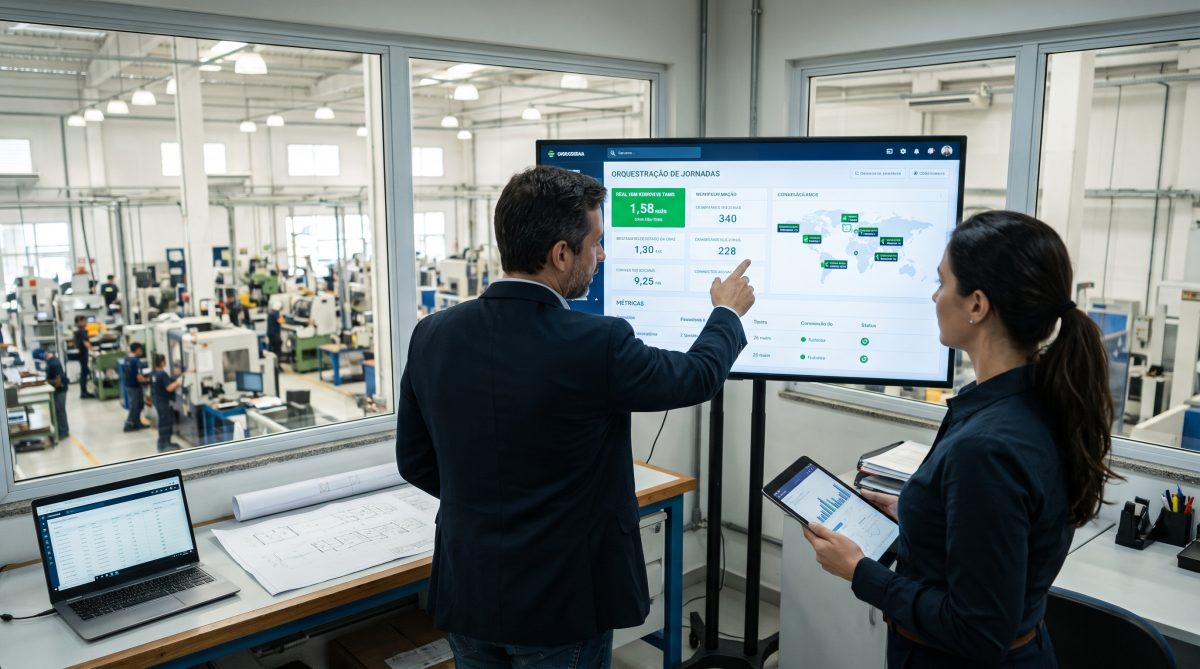
The solution adopted by mature industries involves the complete unification of intake channels with the company's technical workflow. By centralizing text conversations, telephony, and operational forms into a unified platform, interaction data is instantly correlated with the product or service history. A customer service ticket is no longer a static request; it now operates as an automated workflow that triggers technical inspections, dispatches replacement parts, and updates management dashboards in real-time. Response time plummets from weeks to hours, significantly reducing the total cost per resolved issue.
Mitigation Metrics: Transforming Detractors into Predictable Revenue
The financial impact of this integration is reflected in the health of the balance sheet. Customer service transitions from acting as a reactive cost center to consolidating its role as a driver of retention and revenue expansion. When the support team has access to comprehensive histories and predictive analytics, issues are addressed proactively, often before the client reaches the point of cancellation. Furthermore, transparency in demand tracking reduces reliance on legal proceedings and improves compliance with consumer protection regulations.
The consolidation of structured support provides predictability for the finance department. Reducing technical rework and eliminating manual ticket reconciliation tasks frees up employees to focus on continuous product improvement and high-value account management. Technology acts as the invisible foundation sustaining operational efficiency, ensuring that market relationships generate sustainable economic value and protect profit margins against competitive volatility.
Operational Efficiency and Resolution in Corporate Customer Service
| Service Dimension | Traditional/Legacy Model (Fragmented) | Syngoo Integrated Model (Orchestrated) | |
| Average Resolution Time (ART) | Extended delays of up to 40 days due to data silos and manual processes. | Resolution in hours or business days with automated workflows and unified context. | |
| Data Architecture | Isolated legacy systems lacking communication with service channels. | Real-time data integration connecting customer service, technical support, and management. | |
| Impact on Operational Cost | Increasing cost per ticket, continuous rework, and risk of legal liabilities. | Reduced cost per ticket and elimination of redundant service steps. | |
| Customer Retention (LTV) | Erosion of commercial relationships, decline in repurchase rates, and high churn. | Preservation of the corporate client base and increased customer lifetime value. |
Commanding Corporate Operations
Overcoming the bottlenecks of traditional customer service is a strategic imperative for any corporation seeking lasting leadership. Adopting ecosystems that unite technology, data, and processes eliminates the inefficiency that erodes companies' financial performance. By transforming customer service into a hub of intelligence and operational stability, executive leadership protects their brand's value and builds solid commercial relationships, prepared for the demands of the current market.
Frequently Asked Questions
Why does customer service in large industries often take weeks to resolve?
The delay occurs due to a lack of integration between service channels and internal operational systems. When production, logistics, and inventory data reside on separate platforms, the customer service team spends days manually gathering information to respond to a single request.
What is the financial impact of an unresolved customer service ticket?
Beyond increased labor costs for repeatedly managing the same ticket, delays escalate contract cancellation rates and expose the brand to public complaints that deter new corporate clients, ultimately harming revenue.
How does process centralization replace off-the-shelf software?
Off-the-shelf tools typically only provide isolated chat or telephony interfaces. A structured solution integrates the company's operational workflows, adapting technology to the business routine to automate diagnostics, engage technical departments, and audit each resolution step.